

SEB Bank
Making online banking more accessible and confidence-inspiring for older adults
The challenge
Older adults often face challenges when using digital banking services due to age-related accessibility barriers, lower digital literacy, and concerns about security. SEB Bank sought to better understand these challenges and identify opportunities to create a more accessible and confidence-inspiring online banking experience.
Methods
Accessibility audit, Focus groups, Interviews, Customer Journey Mapping, Usability Testing
Team
Diana Miftakhova, Ayomide Omole, Shruti Bharati
Duration
3 Months
Research
A mixed-methods approach was used to identify barriers, needs, and behaviors that affect how older adults interact with online banking services.
→ Desk research
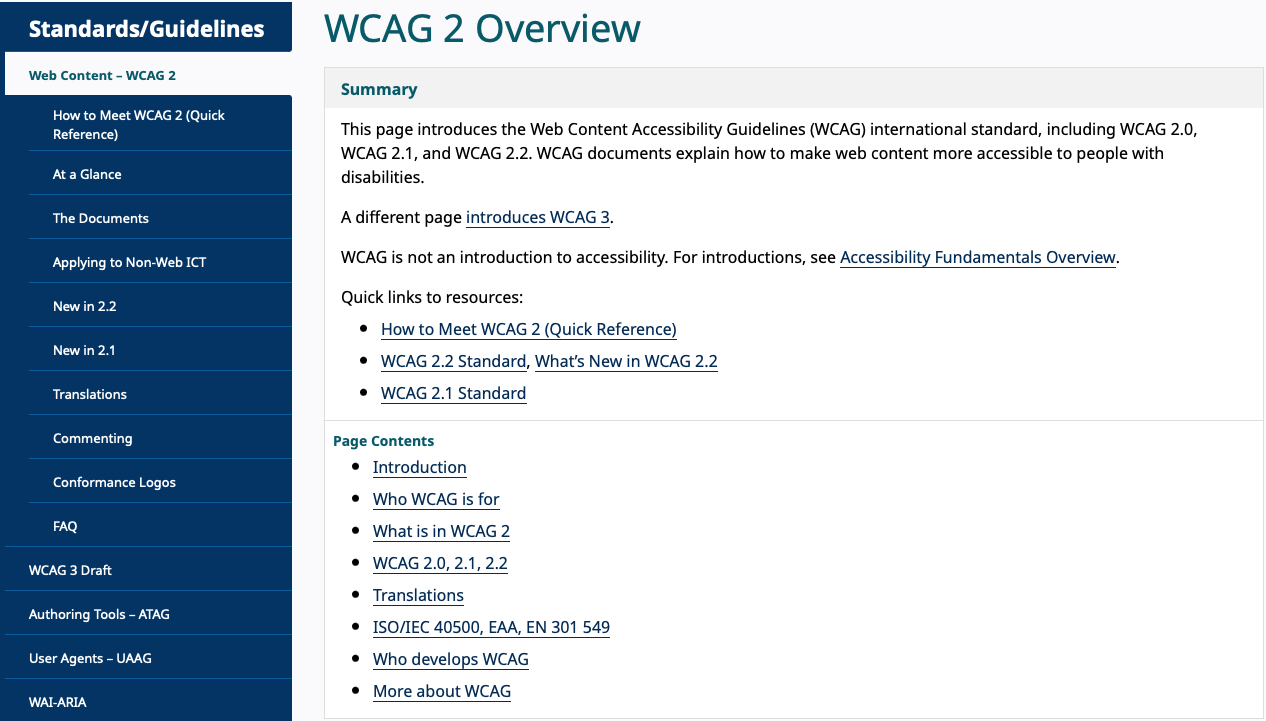
Explored accessibility principles, WCAG guidelines, and the needs of older adults in digital environments.
→ Focus groups with customer support agents
Explored common challenges older customers face when using digital banking services.

→ Customer interviews
Revealed how trust, confidence, and digital literacy influence online banking behaviour.

→ Persona development
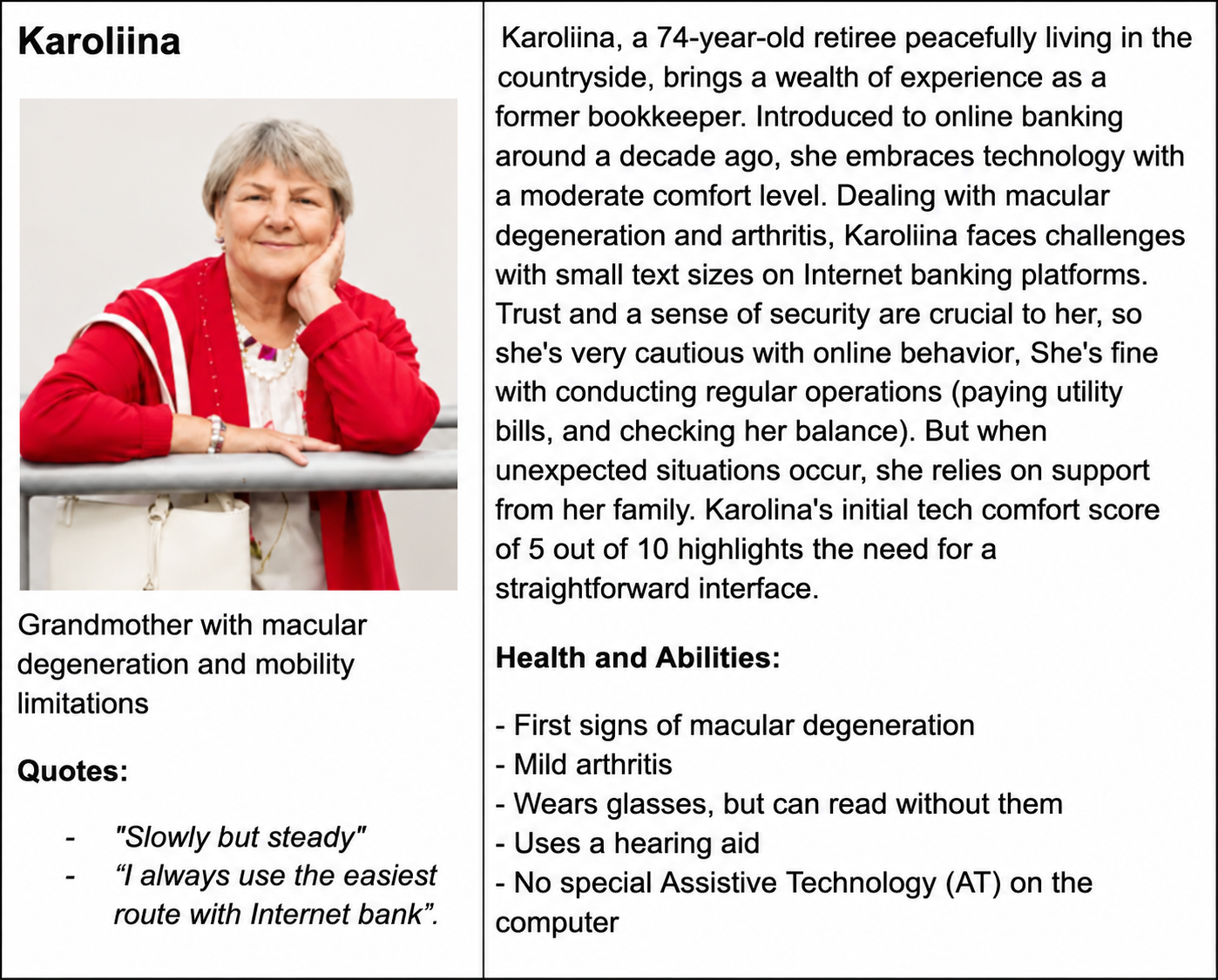
Synthesized research findings into a representative older banking user persona.
→ Accessibility audit
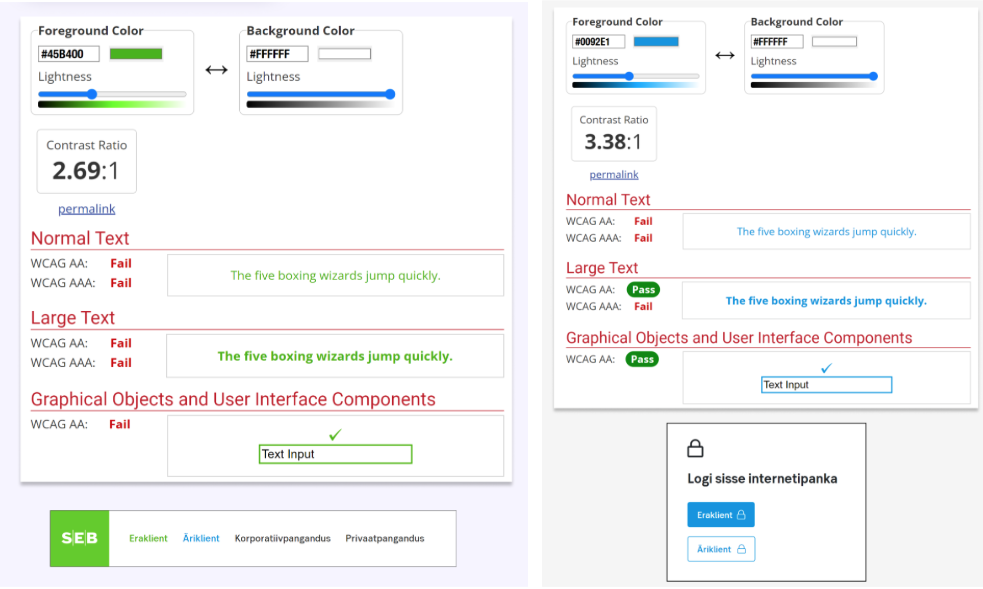
Identified accessibility issues affecting readability, navigation, and visual clarity.
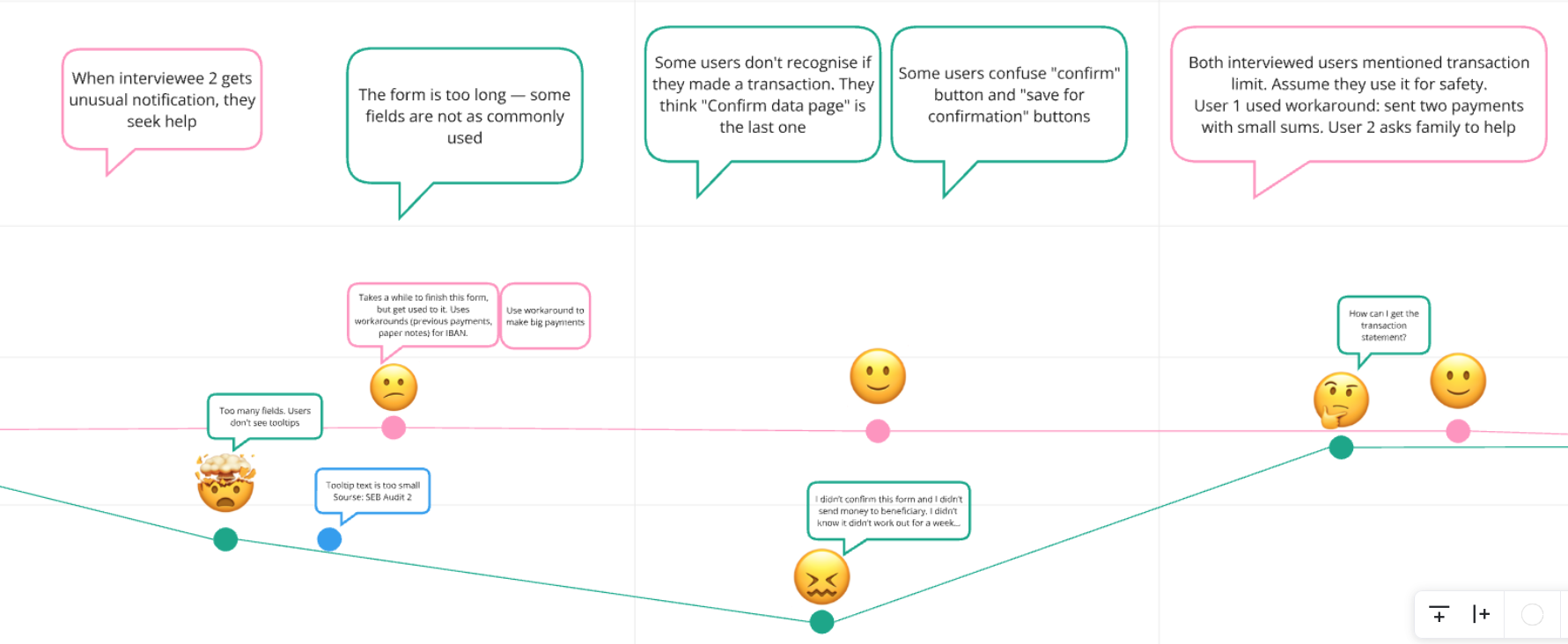
→ Customer journey mapping
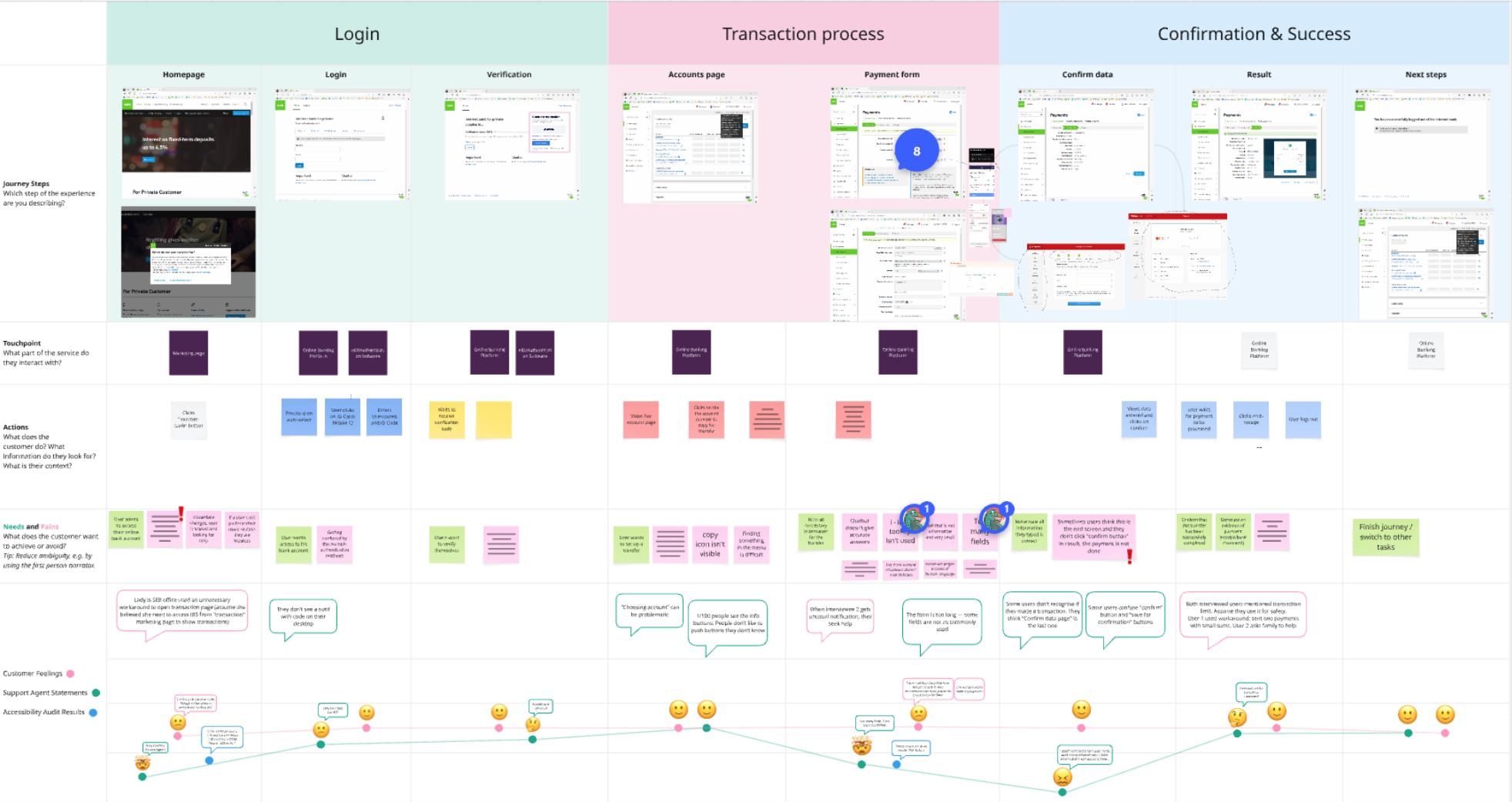
Mapped the money transfer process to identify key usability pain points.
Key Insights
→ Money transfers were the main pain point
Key pain points: сomplex payment forms, unclear transaction status, confusing confirmation actions, unfamiliar banking terms.
→ Confidence is more important than speed
Users preferred the safest and simplest path when completing financial tasks, even if it required more effort.
→ Trust drives behaviour
Participants were cautious about unfamiliar messages, notifications, and pop-ups due to concerns about fraud and scams.
→ Family support plays a key role
Many older customers relied on children or grandchildren when learning new digital services.
→ Technology changes сreate stress
Customer support agents reported that many older users struggled with interface changes and preferred familiar workflows.
Design Solutions
Based on the research findings, the redesign focused on reducing cognitive load, improving clarity, and increasing confidence throughout the money transfer process.
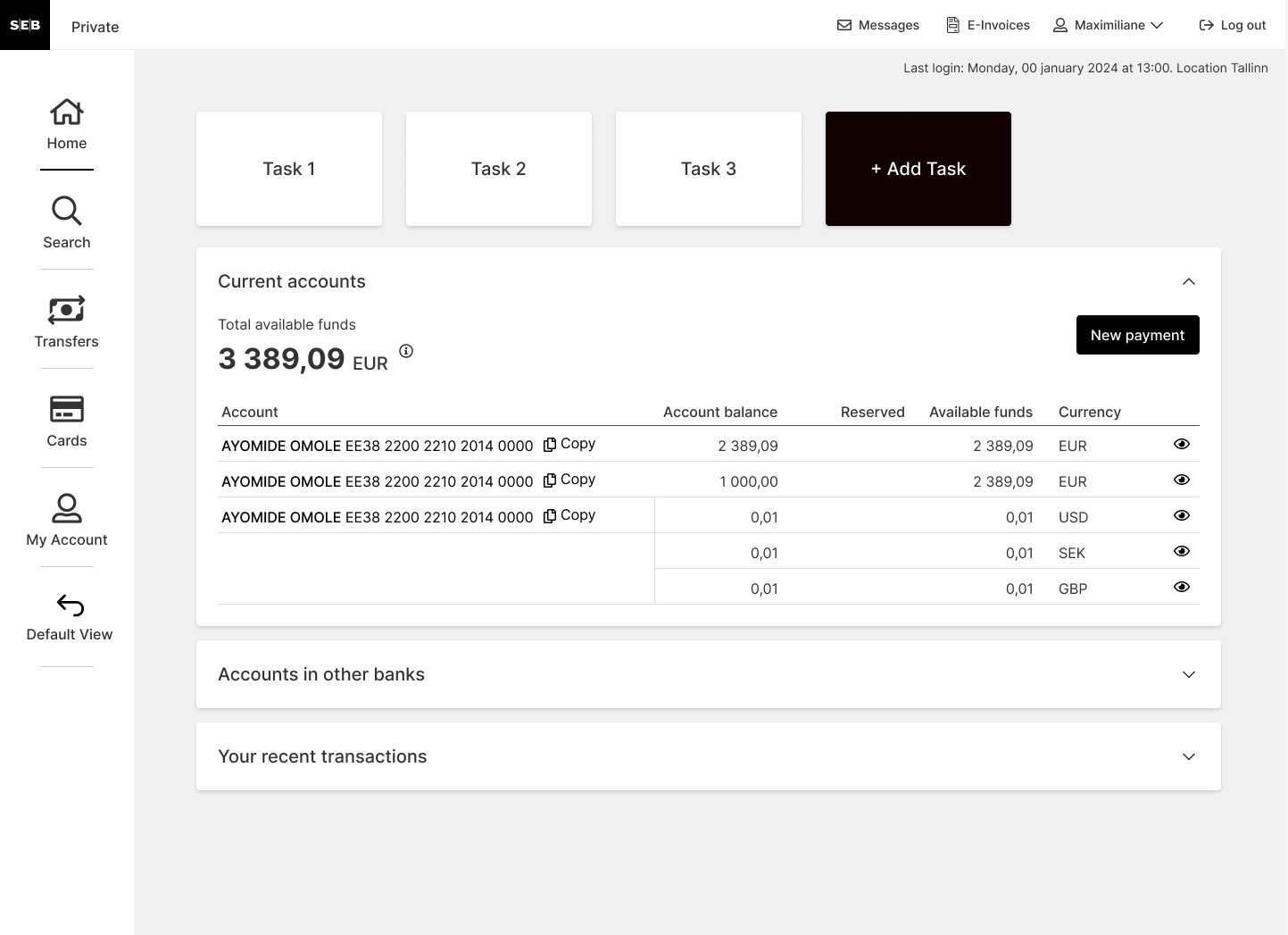
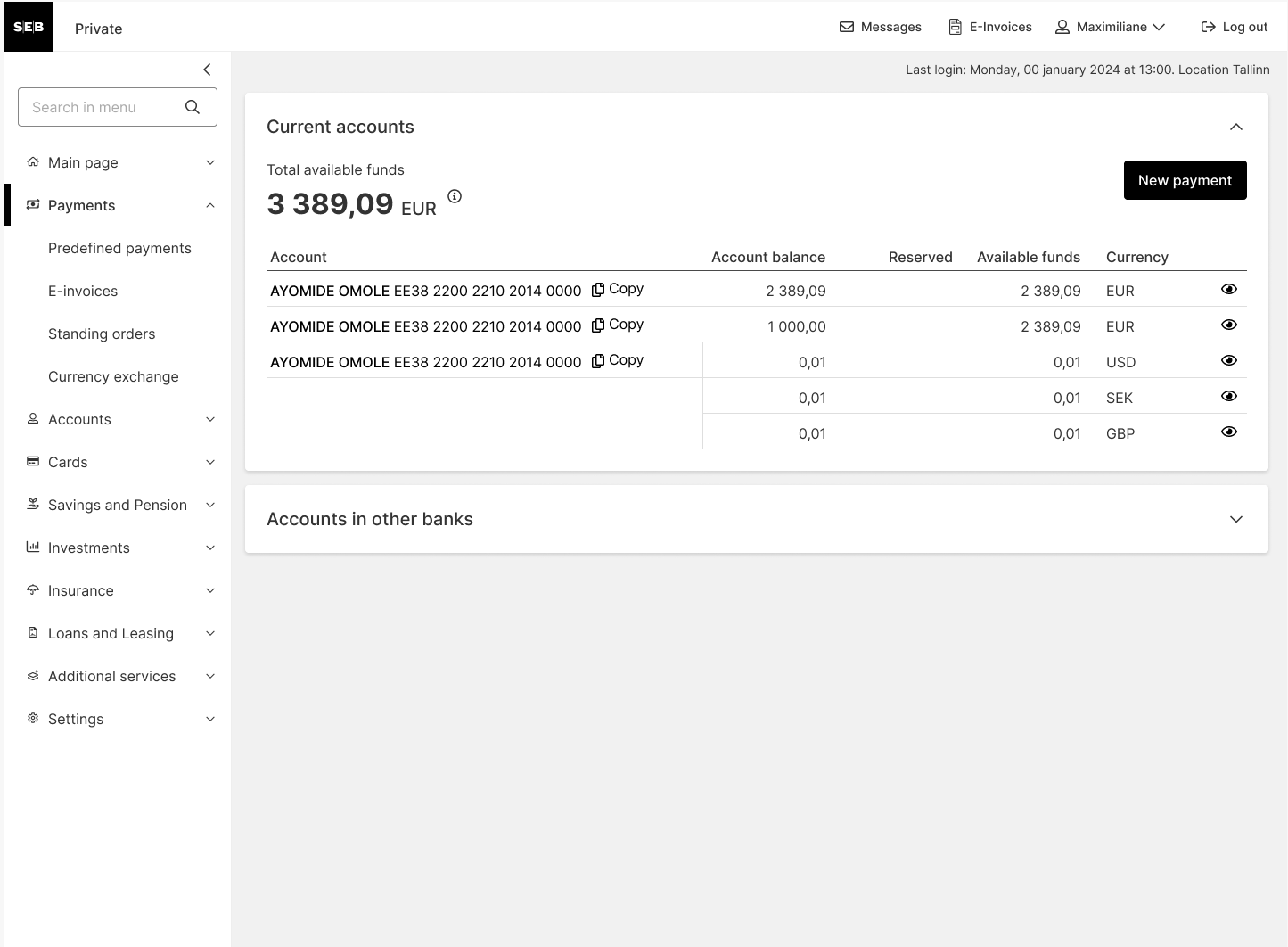
→ Simplified navigation & improved content structure
Problem – Users struggled to find key banking functions and navigate through the interface efficiently.
Solution – Frequently used tasks were prioritised, while navigation and content structure were simplified to improve discoverability.
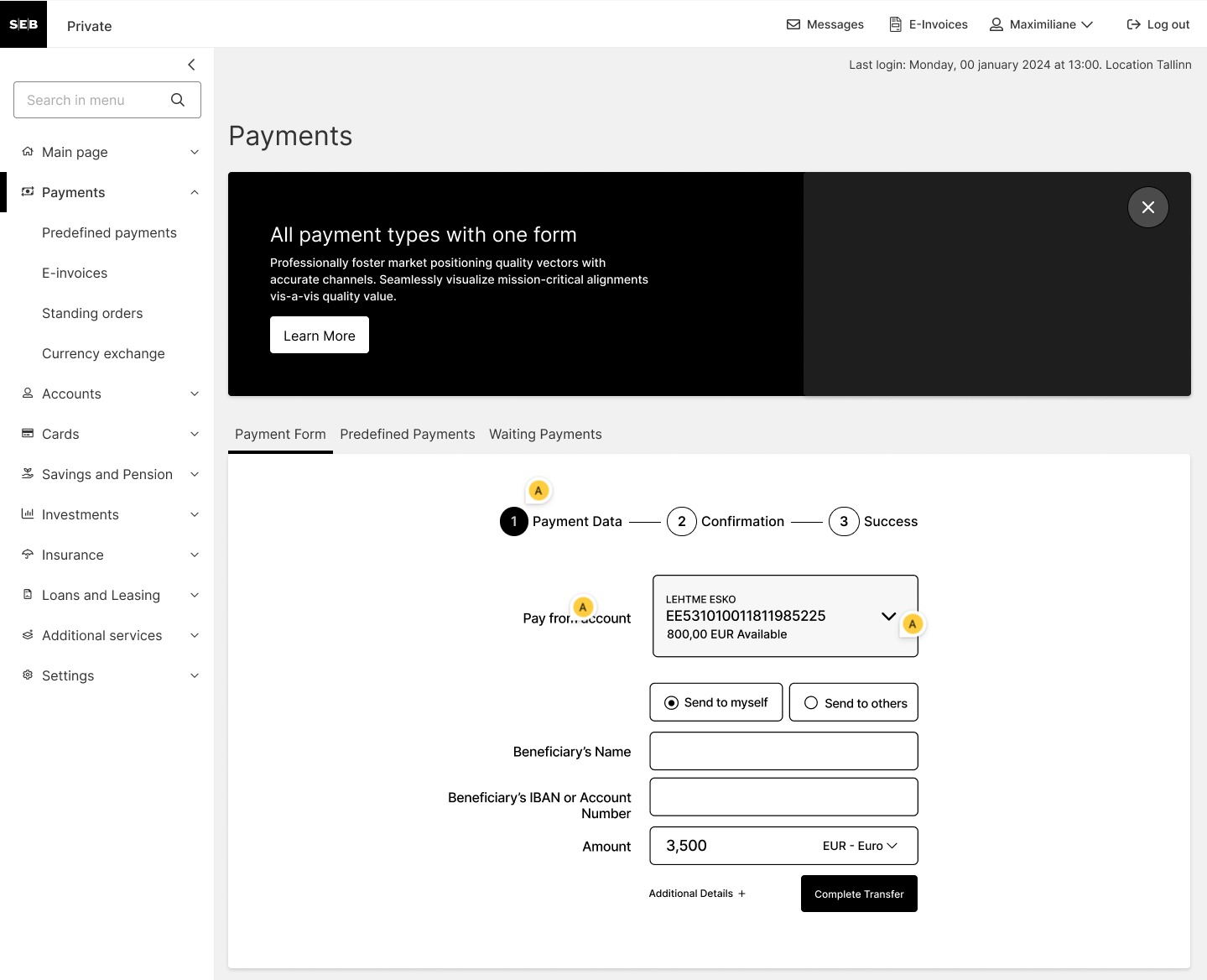
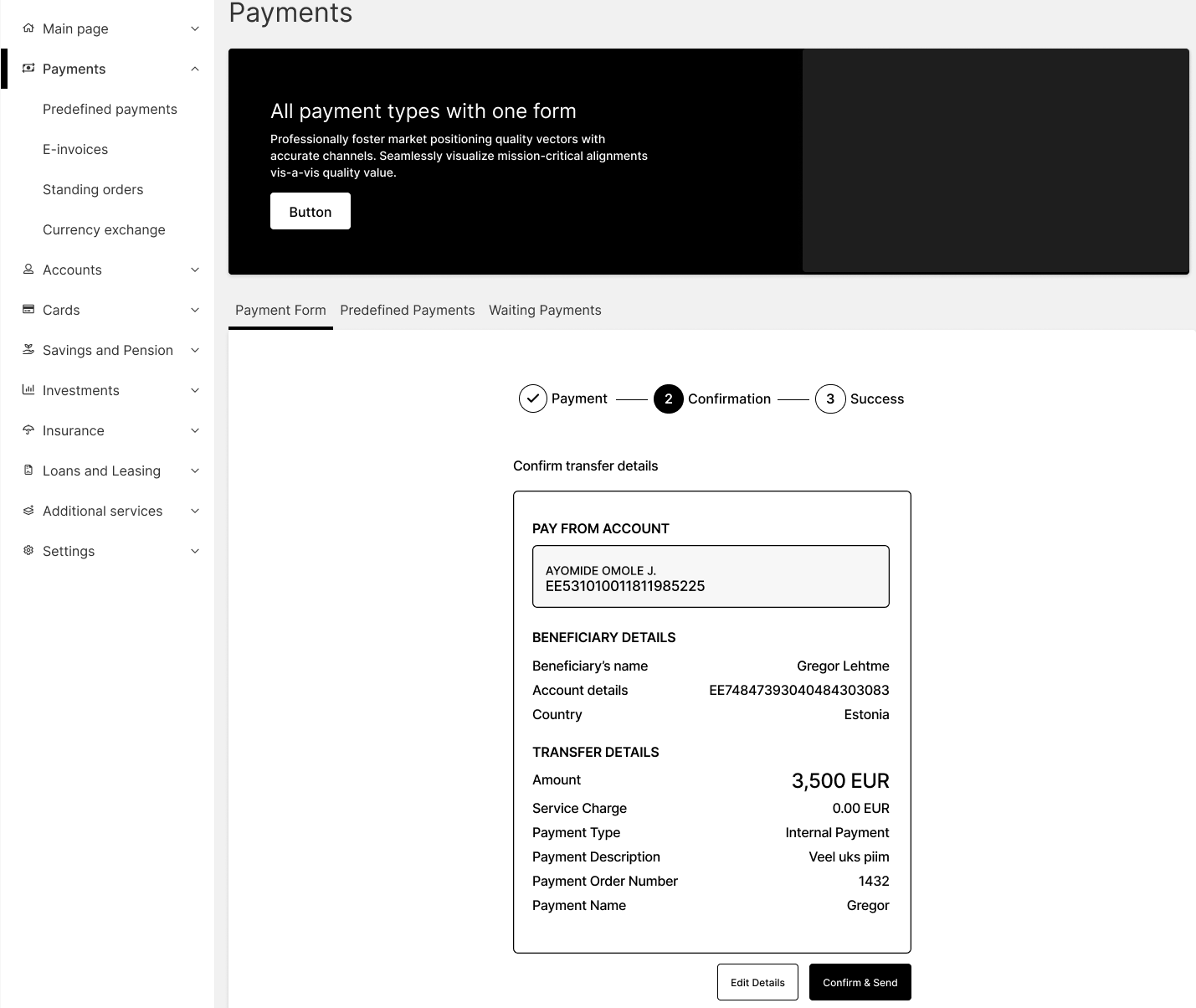
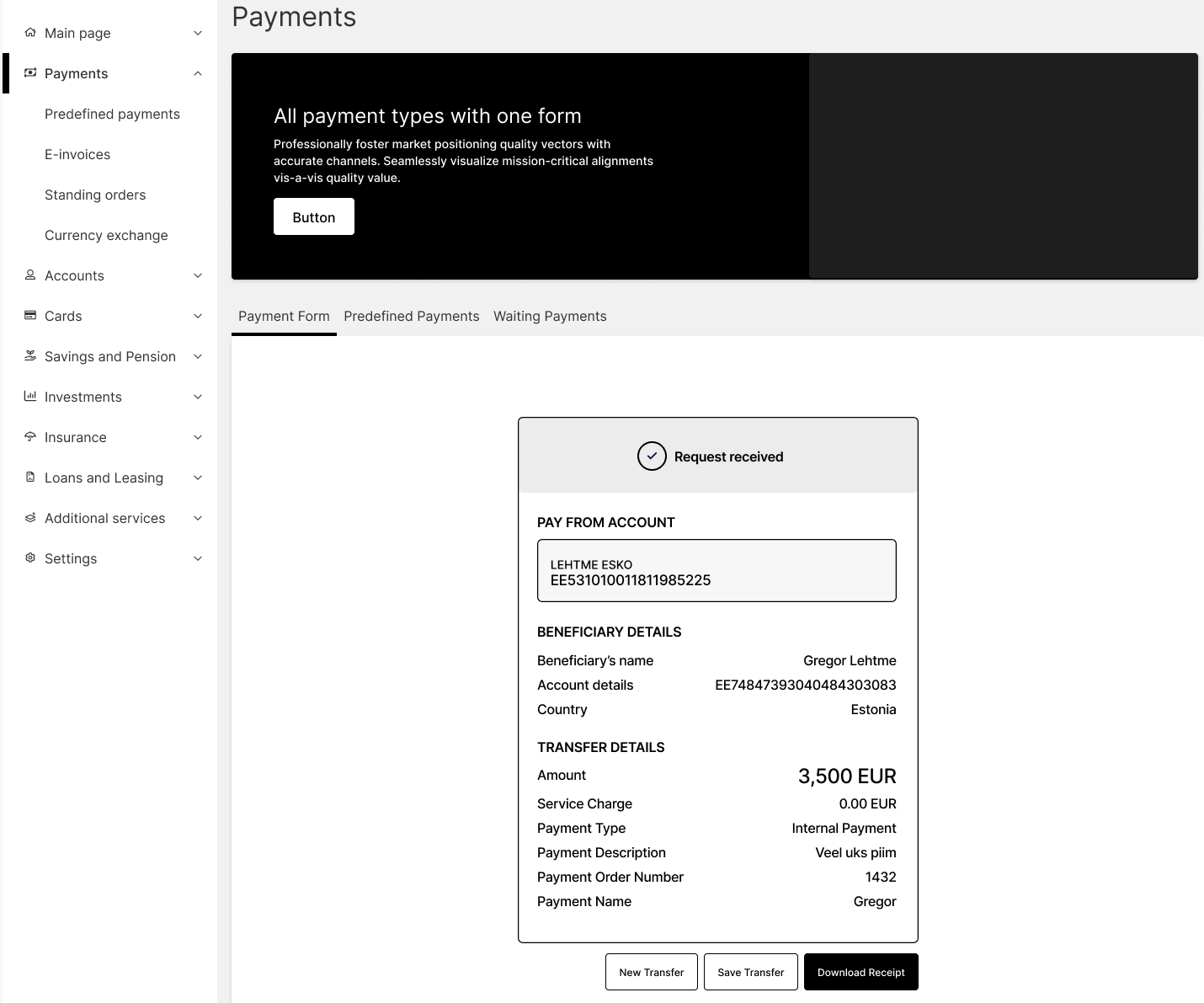
→ Clearer payment flow
Problem – The payment process felt complex and users were often unsure how to complete a transaction.
Solution – The payment flow was redesigned to reduce cognitive load and improve readability through a clearer step-by-step process.
→ Better guidance
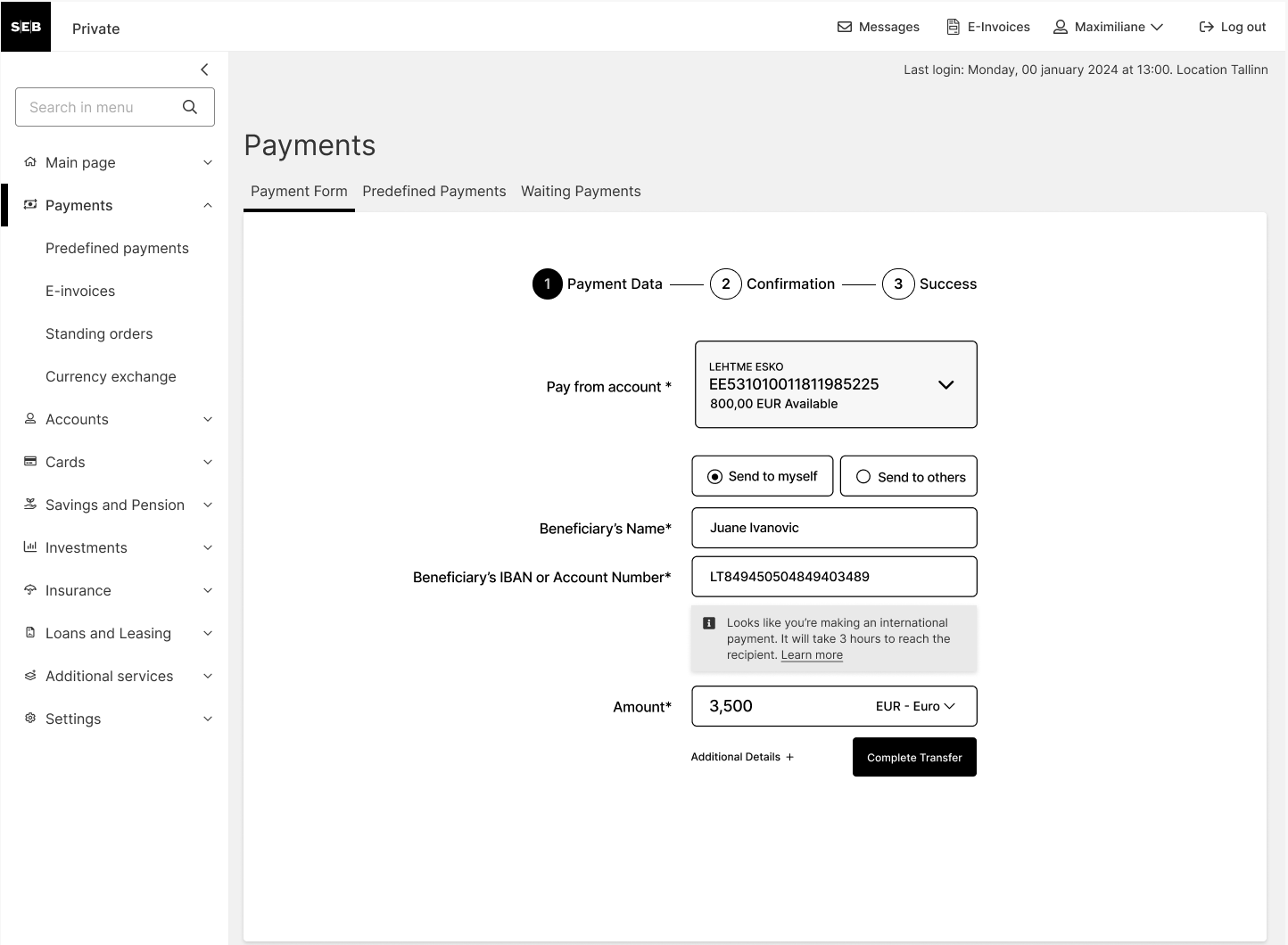
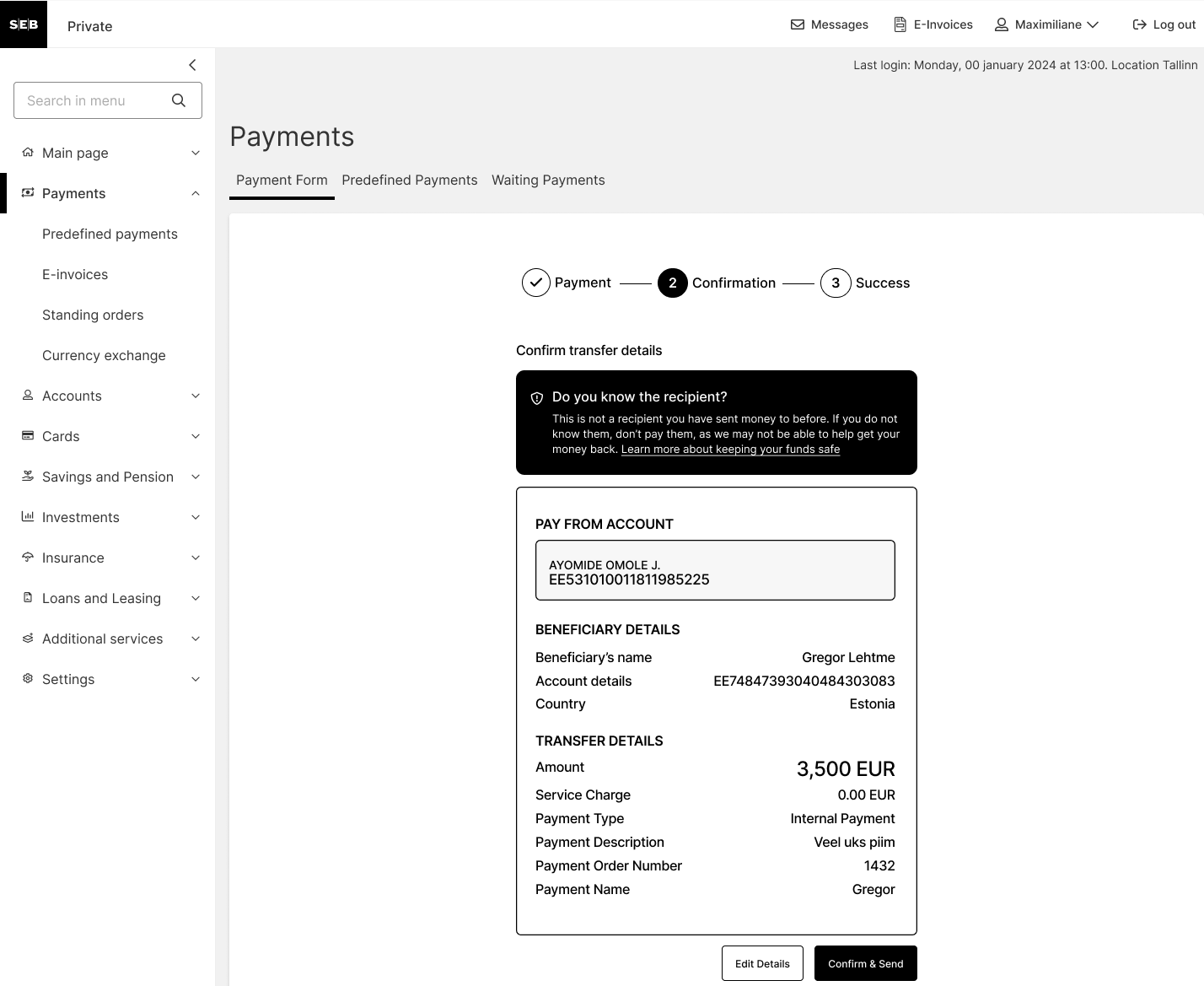
Problem – Users were confused by unfamiliar banking terminology and critical actions.
Solution – Additional explanations and contextual guidance were introduced to support decision-making and increase confidence.
Usability Testing
The redesigned concept was tested with users who matched the target persona. The simpler navigation helped participants find the money transfer function more easily. Testing also showed that the term “IBAN” was not clear to everyone and needed more explanation. This highlighted the importance of using clear and simple language in financial interfaces.
Outcome
The project showed how accessibility and user-centred design can make digital banking easier and help users feel more confident. The redesign focused on making financial actions clearer, reducing complexity and supporting older adults during the money transfer process.
The final outcome was a tested high-fidelity prototype with recommendations for creating a more accessible and easy-to-use online banking experience.