
City of Tallinn
Simplifying access to complex city data to support faster planning decisions
The challenge
Tallinn’s Digital Twin brings together a large amount of city data, but employees still use several different systems in their daily work. They often need to switch between maps, legal documents, utility records and planning tools to find the information they need. This makes the process slow, makes collaboration between departments more difficult and can reduce trust in the available data.
The goal of the project was to understand how city employees work with urban data, identify the main problems they face and design a Digital Twin that makes information easier to find, supports collaboration and helps employees make decisions faster.
Methods
Stakeholder Interview, Industry Benchmarking, Competitive Audit, Semi-Structured Interviews, Thematic Analysis, Persona Development, User Scenario Development, Prototyping
Team
Oguz Ali Hanecioglu, Tatevik Meliksetyan, Hamza Mehmood, Olawale Azeem Gbadamosi
Duration
3 Months
Research
The project combined stakeholder research, industry benchmarking and qualitative user research to understand how civil servants access, analyse and share city information throughout their daily work.
→ Stakeholder interview
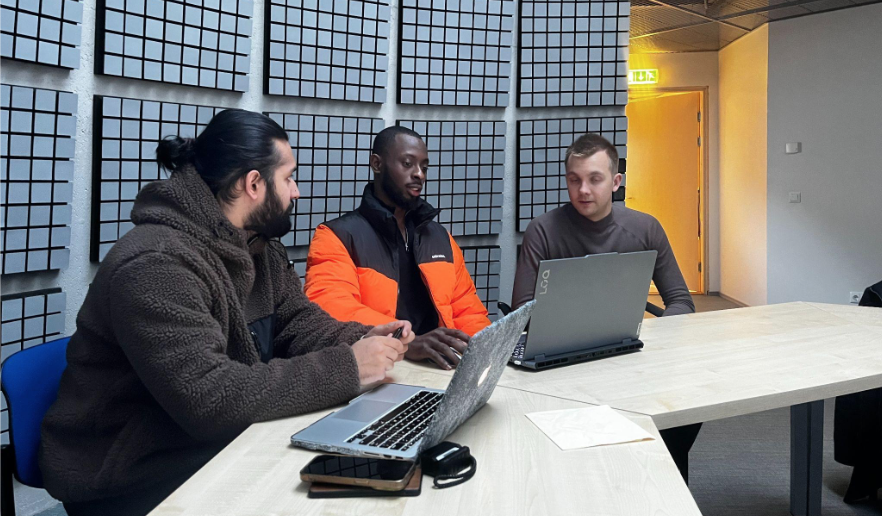
The project started with a stakeholder interview with Tallinn’s Digital Twin Technology Manager to understand the platform’s objectives, future direction and the challenges faced by the city. This established the project’s scope and identified civil servants as the primary user group.
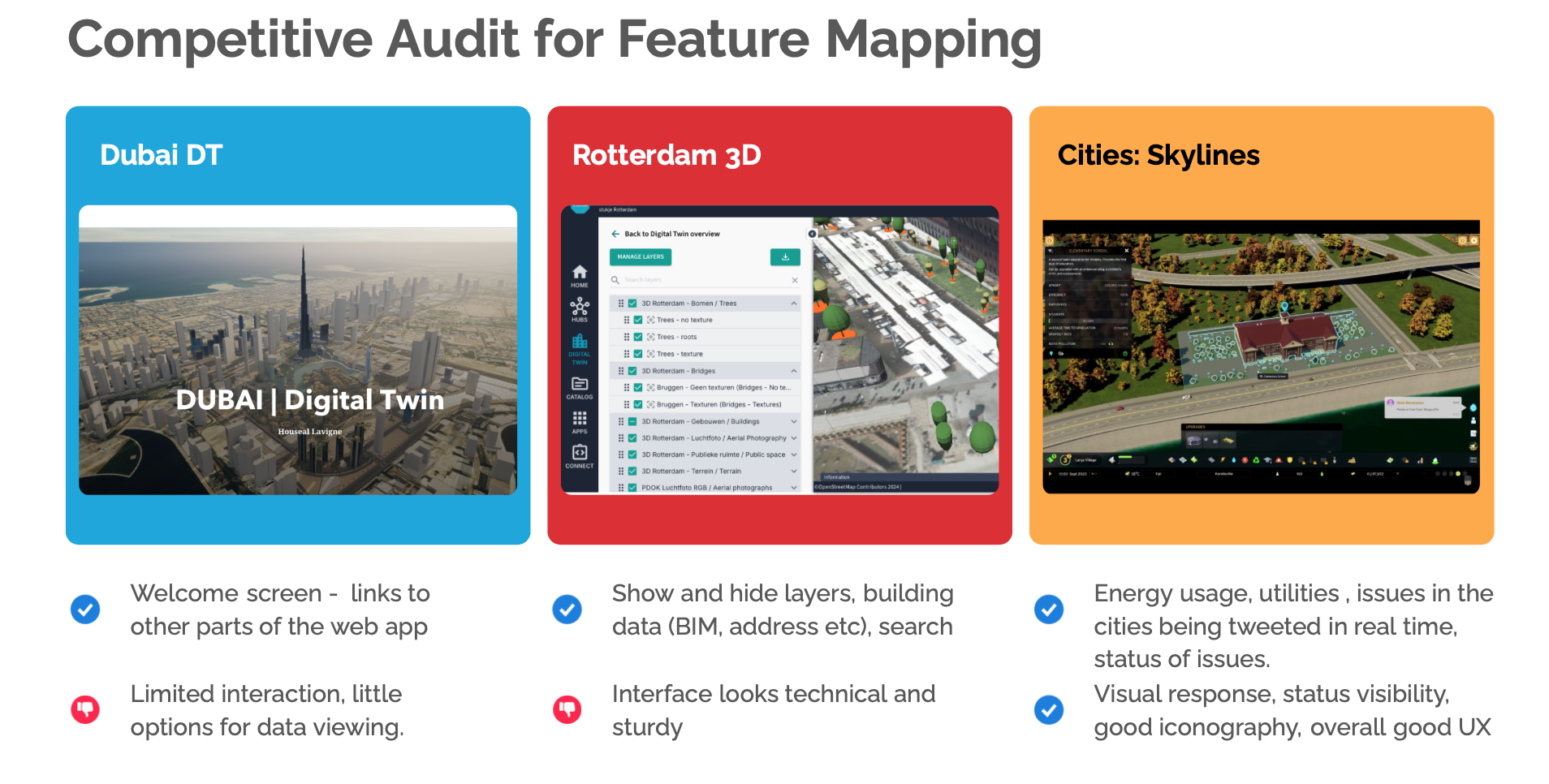
→ Industry benchmarking & competitive audit
Three Digital Twin platforms—Dubai Digital Twin, Rotterdam 3D, and Cities: Skylines—were benchmarked to compare their interaction patterns, data visualisation, feature sets, and overall user experience. The analysis highlighted effective design approaches and revealed opportunities to improve the usability, accessibility, and functionality of Tallinn’s Digital Twin.
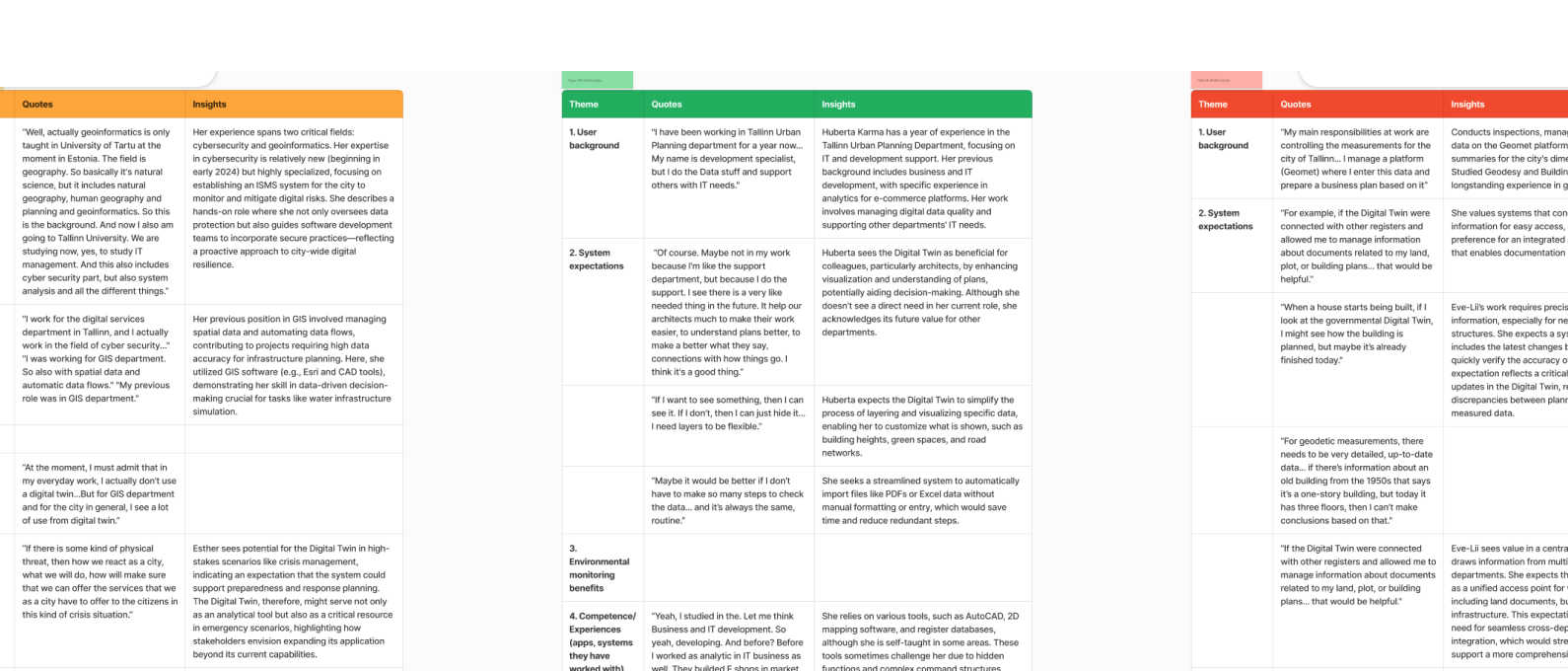
→ User interviews & thematic analysis
Five semi-structured interviews explored how Tallinn civil servants find, check and manage city data in their daily work. The interviews also looked at how disconnected systems, outdated information, manual processes and limited collaboration between departments affect their work. The research showed a need for more accurate and accessible data, simpler navigation, better system integration and easier ways to compare and update information. These findings were used to create user scenarios and personas and guide the design decisions.
→ Persona development & user scenarios
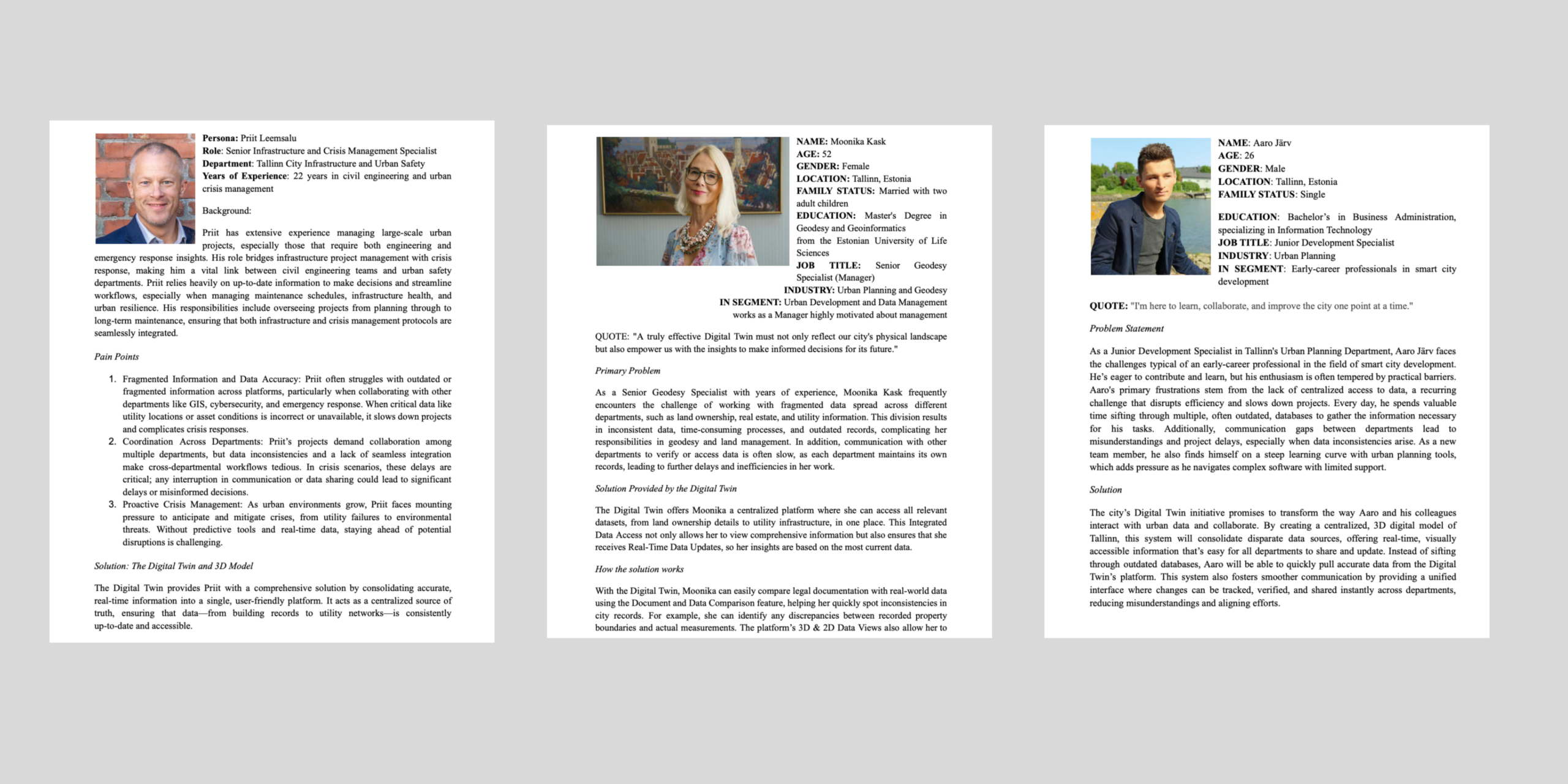
Research findings were used to create personas and user scenarios based on common city workflows. They helped identify the most important features and keep the design focused on the needs and daily work of different city departments.
Key Insights
→ Users spend more time searching than analysing
City data already exists, but it is spread across different systems. Participants often had to switch between maps, legal documents, utility records and planning tools to complete even simple tasks.
→ Reliable data matter more than sophisticated visualisation
Participants consistently emphasised that a 3D model is only as valuable as the data behind it. Accurate, up-to-date, and reliable information was considered the platform’s most important feature.
→ Existing tools are built only for experts
Current GIS platforms require technical knowledge, making everyday tasks more difficult. Hidden features, complex workflows and manual processes make these tools difficult to learn and use.
→ Collaboration depends on better data sharing
Planning projects often involve multiple departments, but existing systems make collaboration difficult. Participants want the platform to support sharing updates, validating information, and coordinating decisions instead of relying on external communication tools.
→ Repetitive manual work reduced productivity
Participants spent a lot of time comparing documents, checking data and correcting errors. They wanted the Digital Twin to automate repetitive tasks and make everyday work easier.
Design Solutions
The research revealed that the main challenges were not related to the availability of city data itself, but to the way that information was organised, accessed and maintained. Fragmented systems, outdated information and inefficient workflows made everyday planning tasks unnecessarily complex.
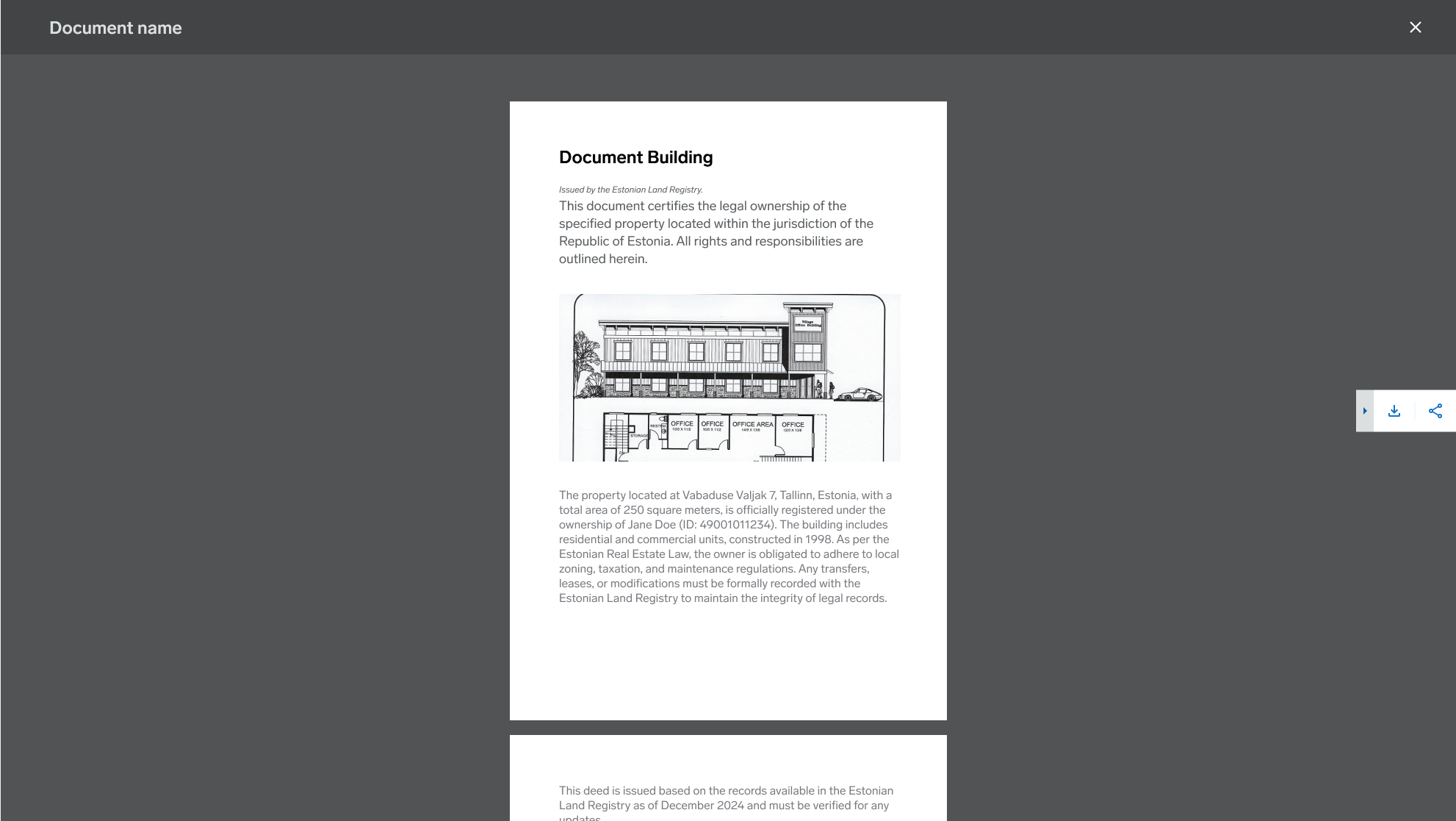
→ Unified access to city data
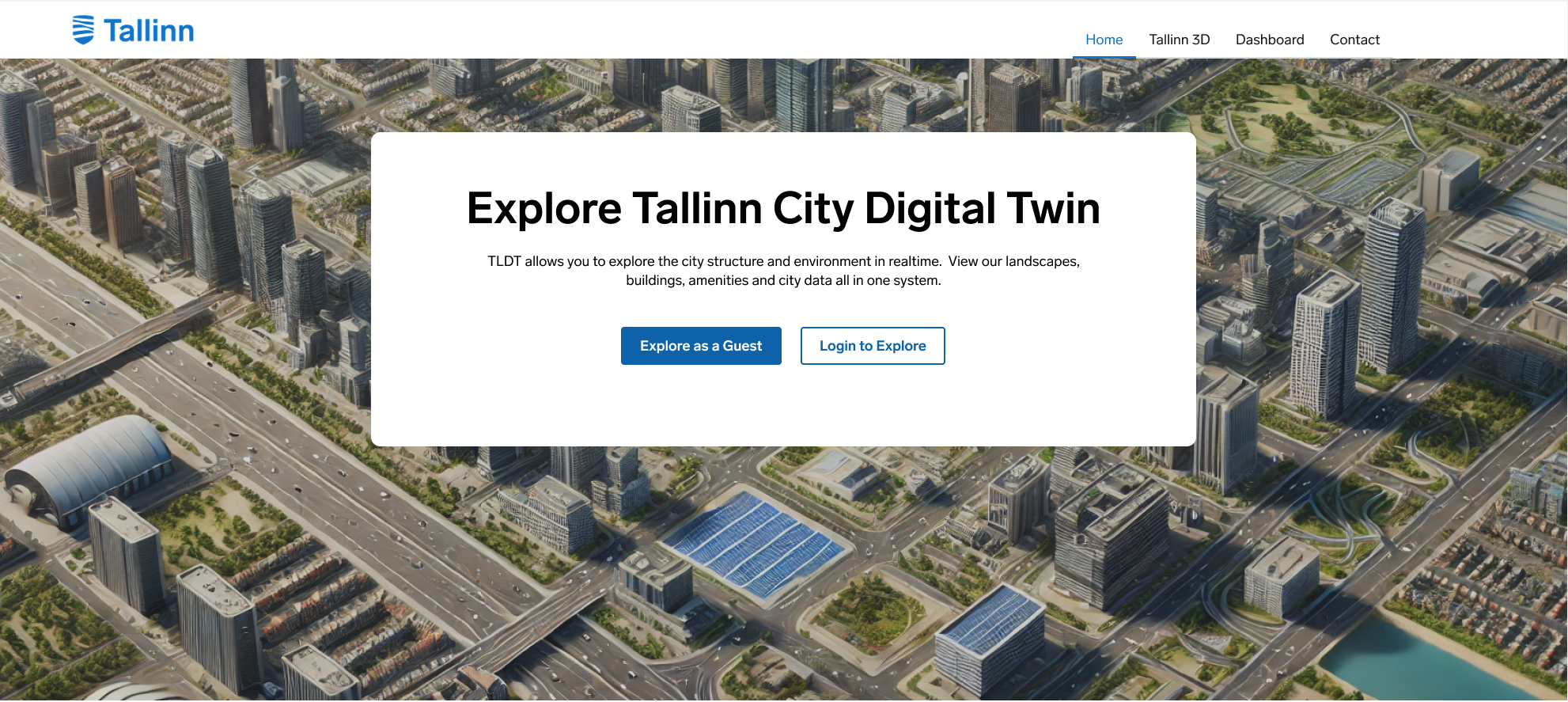
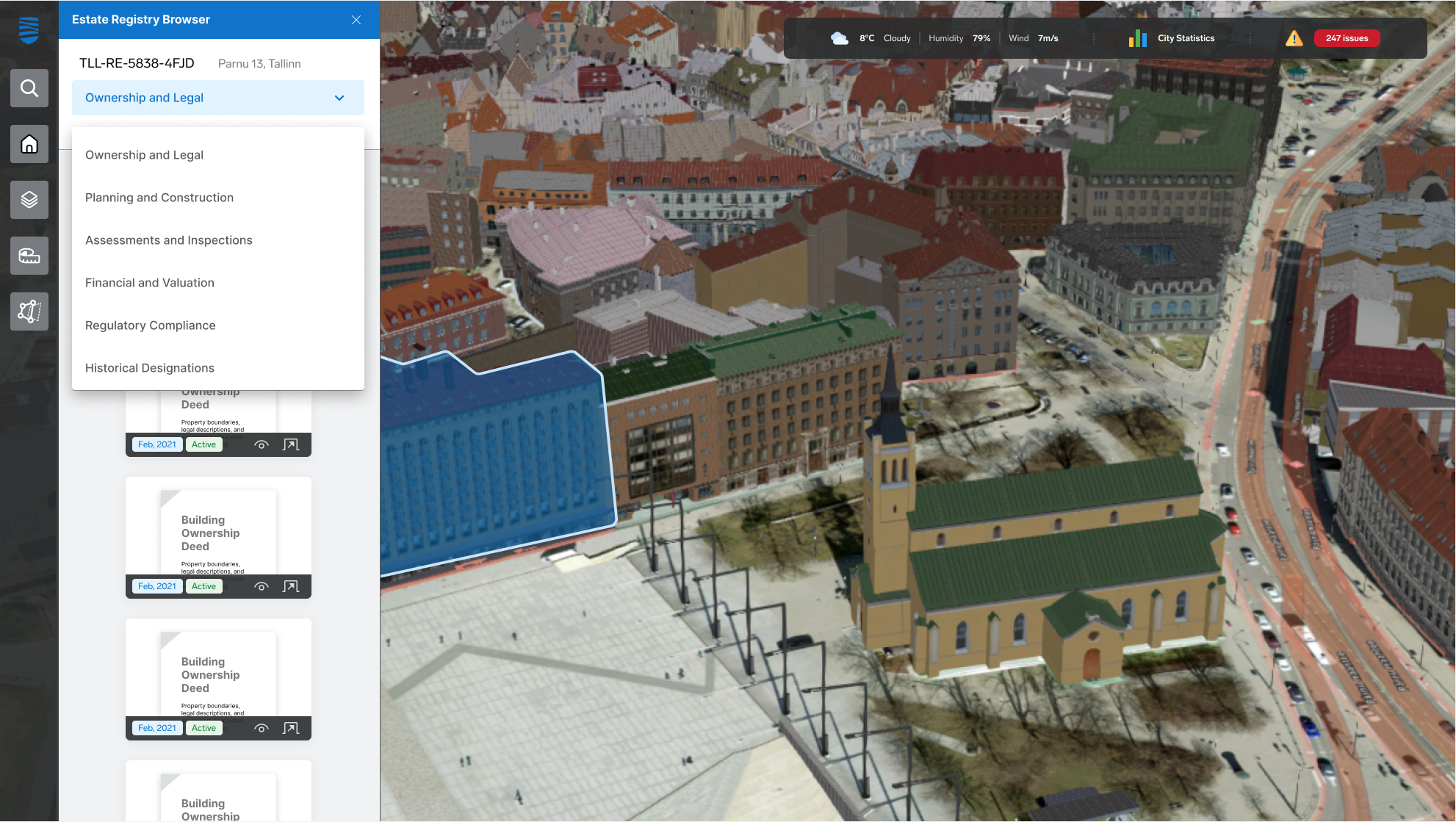
Problem – City information was distributed across multiple disconnected systems, making everyday planning tasks slow and difficult.
Solution – The concept brings city data from different systems into one place, making it easier for users to find and compare information.
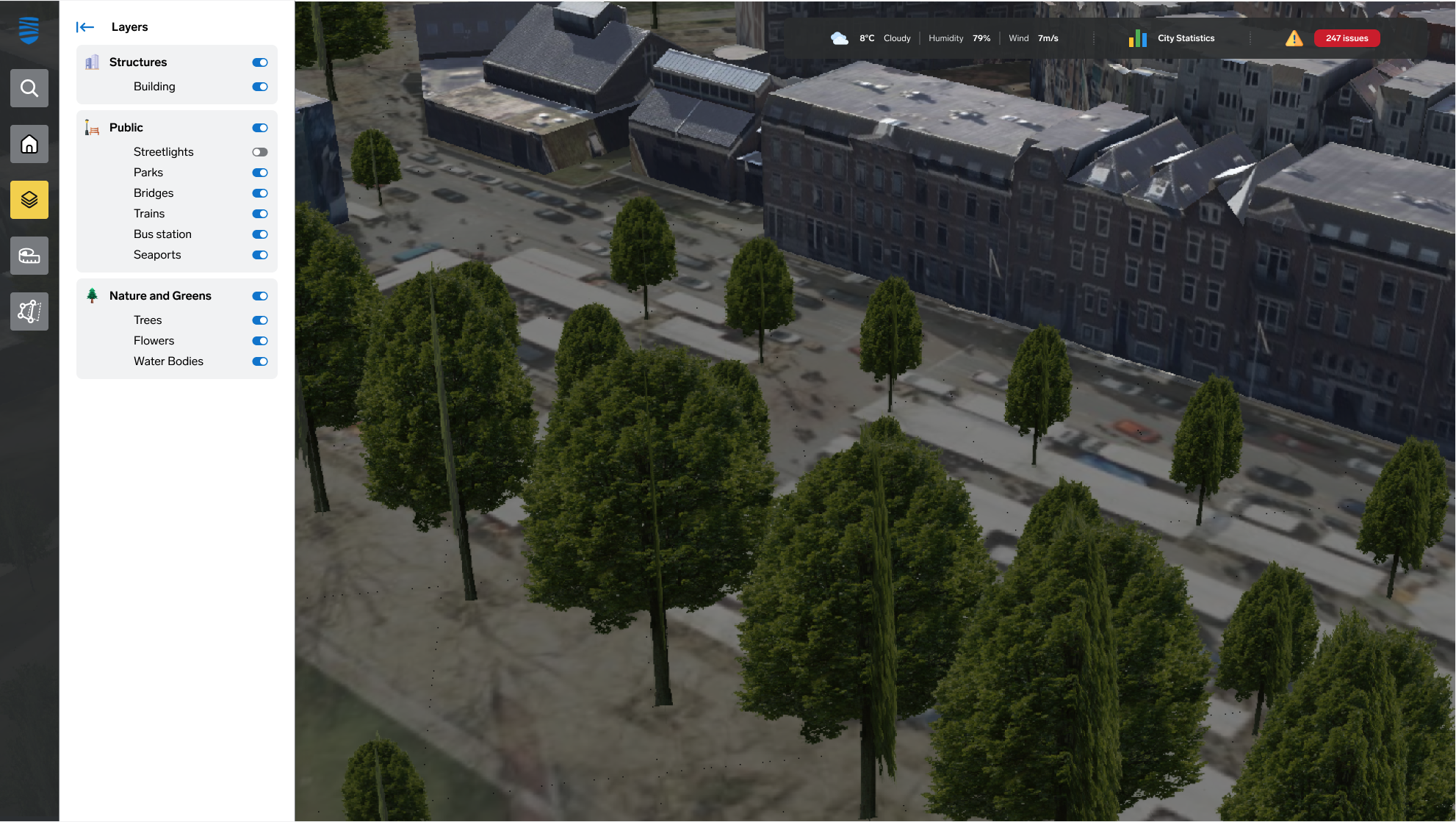
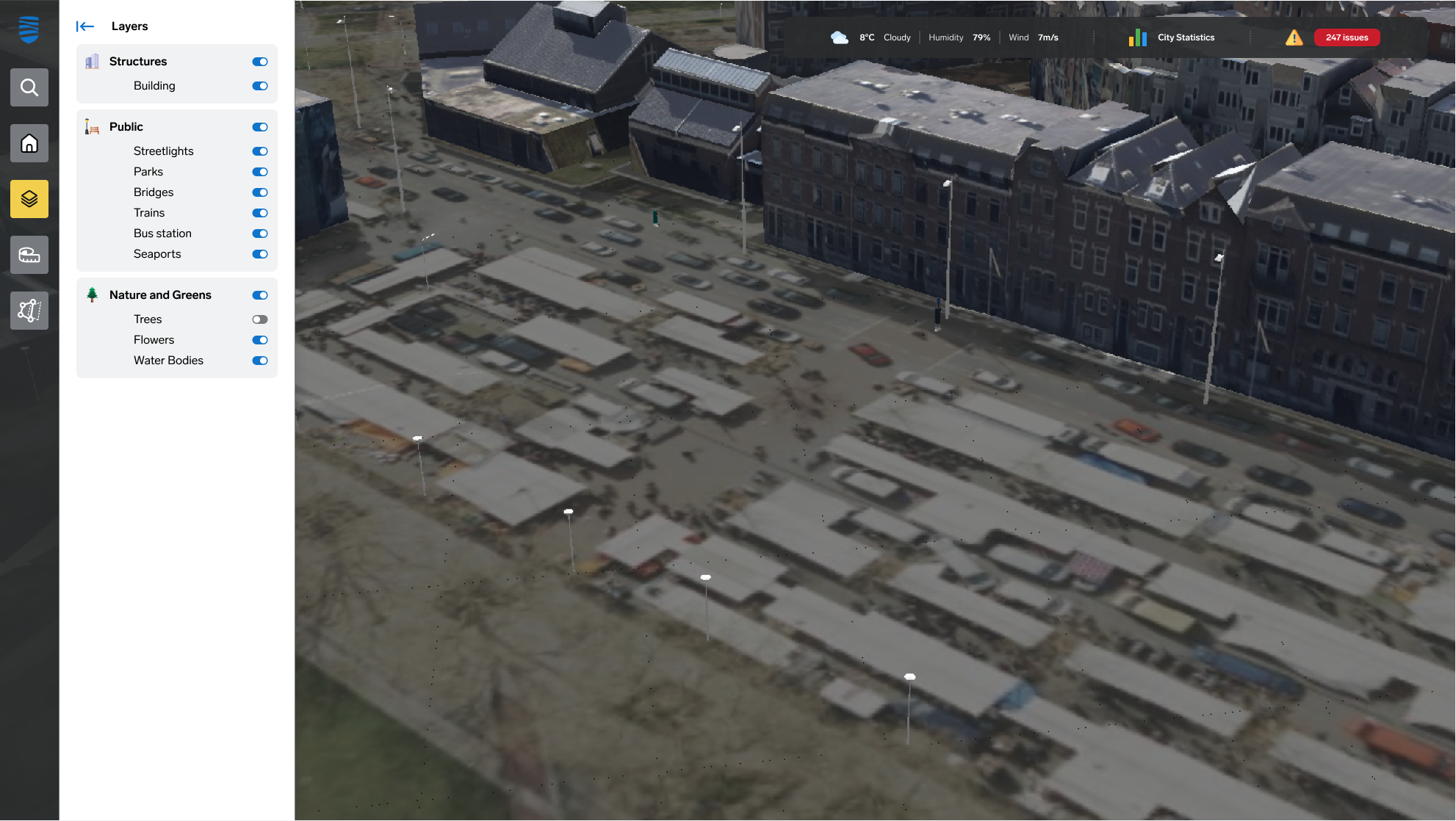
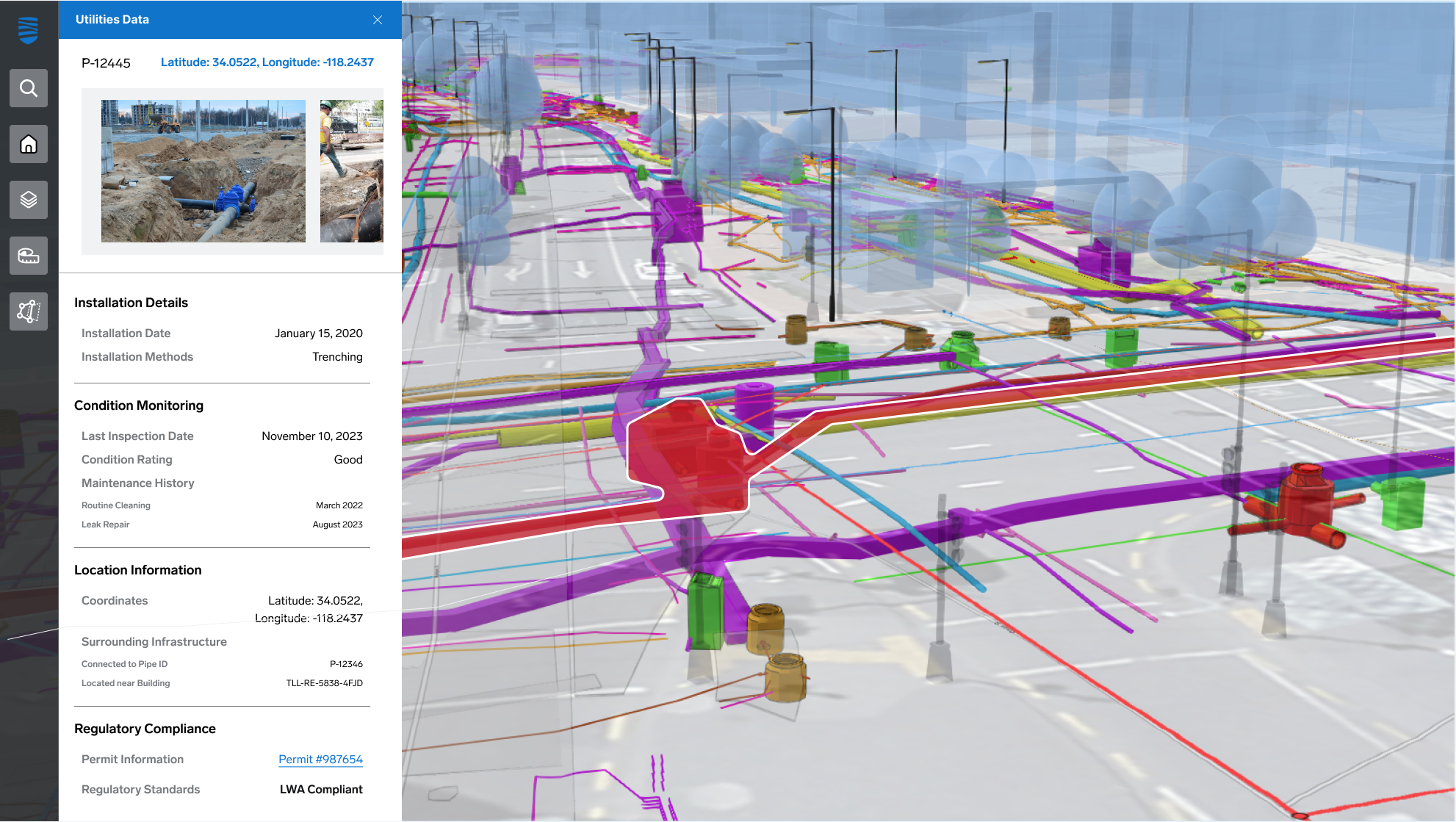
→ Integrated data layers
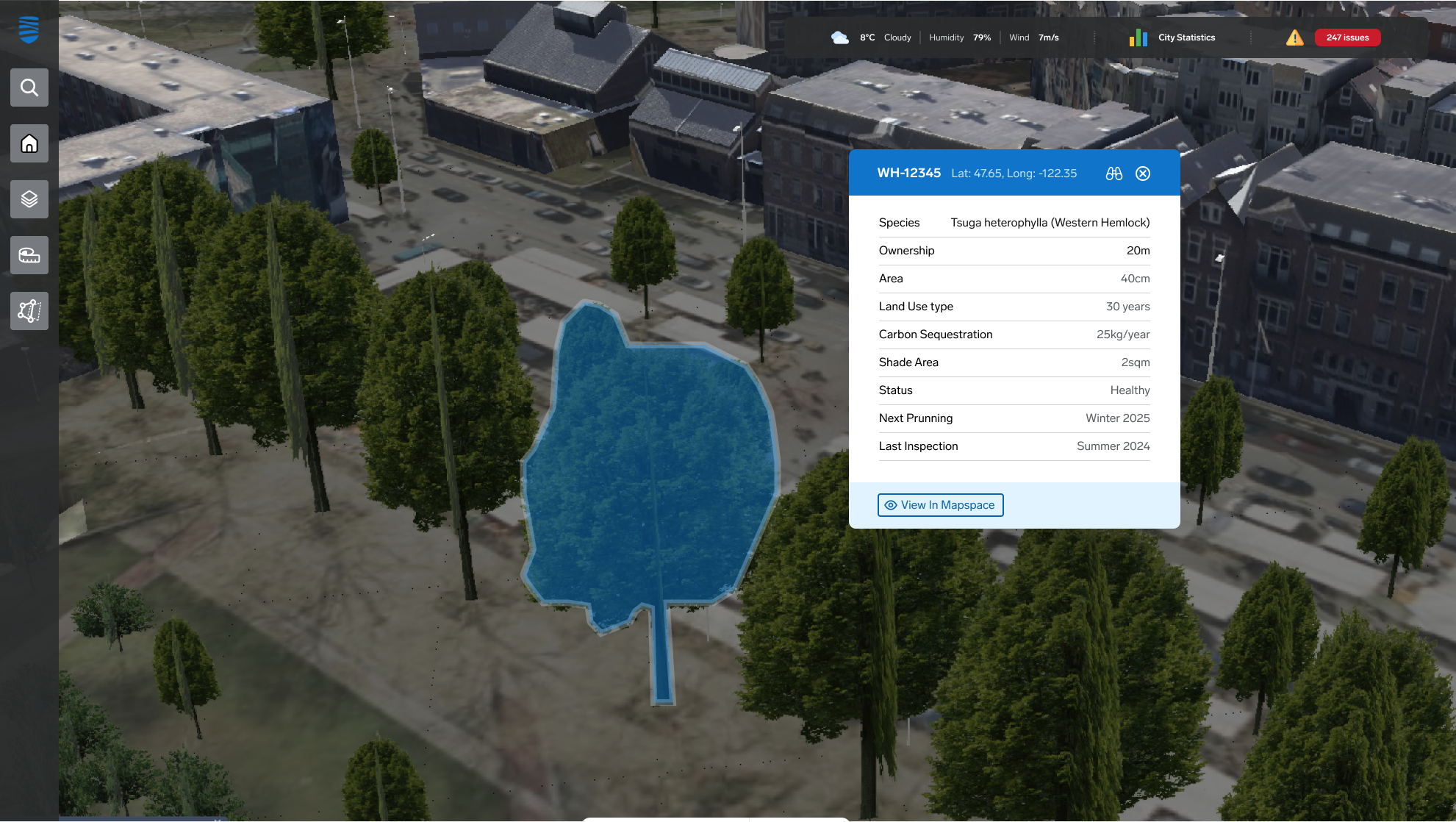
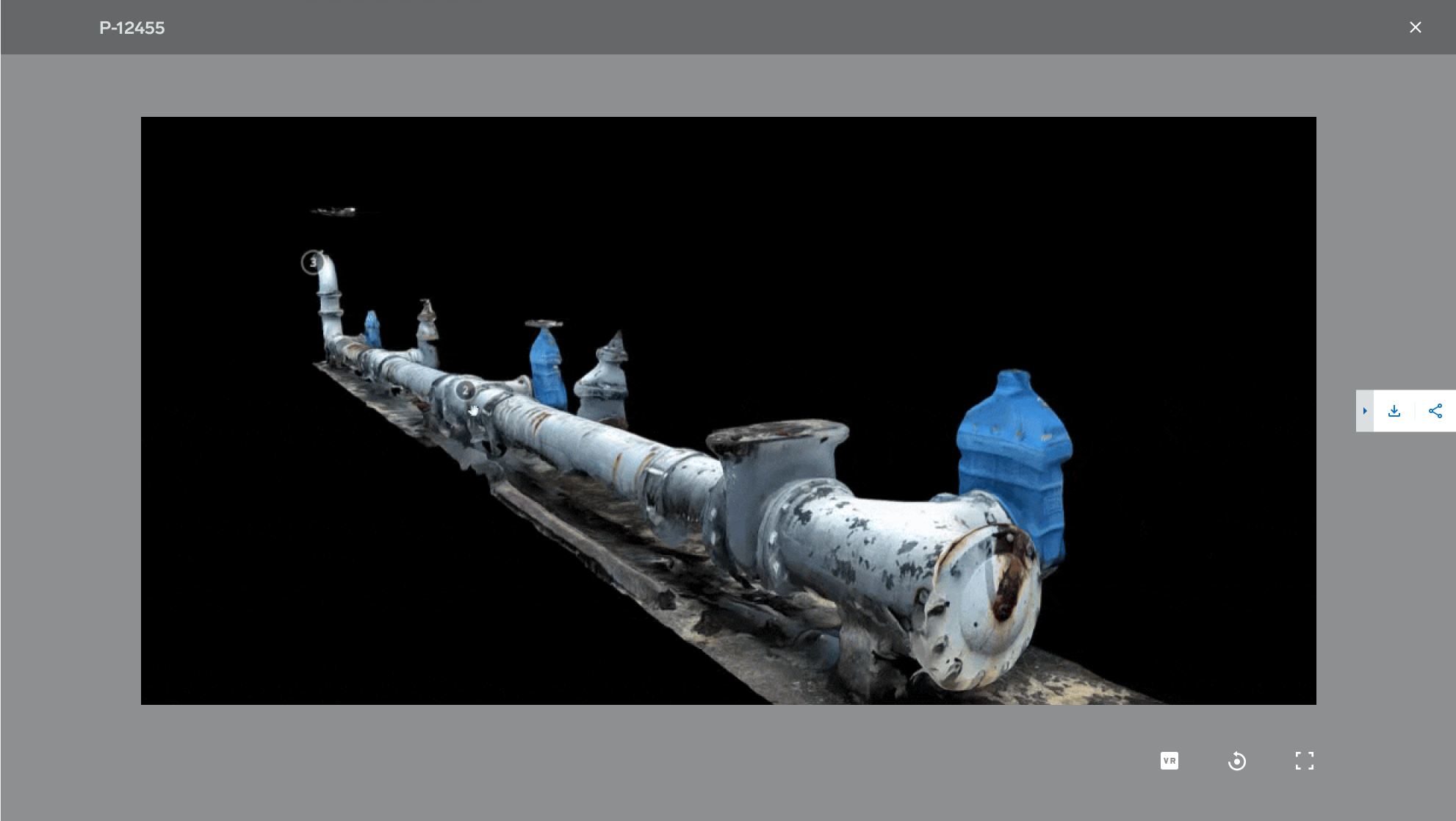
Problem – Users struggled to compare information spread across different maps, documents and data sources.
Solution – Layer-based visualisation enables multiple datasets to be explored within the same environment, reducing the need to switch between systems.
→ Better support for collaboration
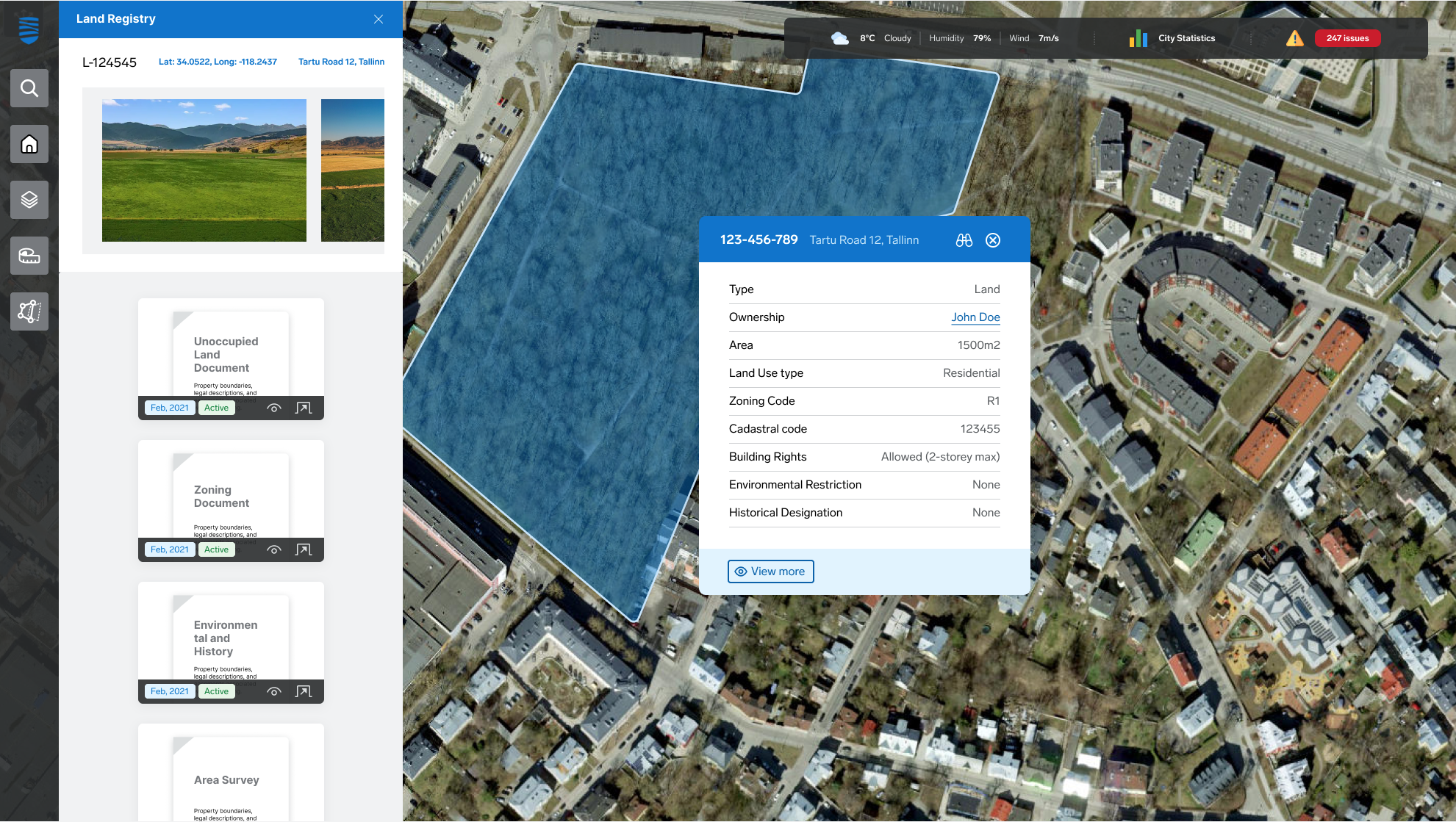
Problem – Cross-department work was slowed by fragmented information and inconsistent data sharing.
Solution – The concept enables teams to work from the same up-to-date information, supporting more coordinated planning and decision-making.
→ More efficient data management
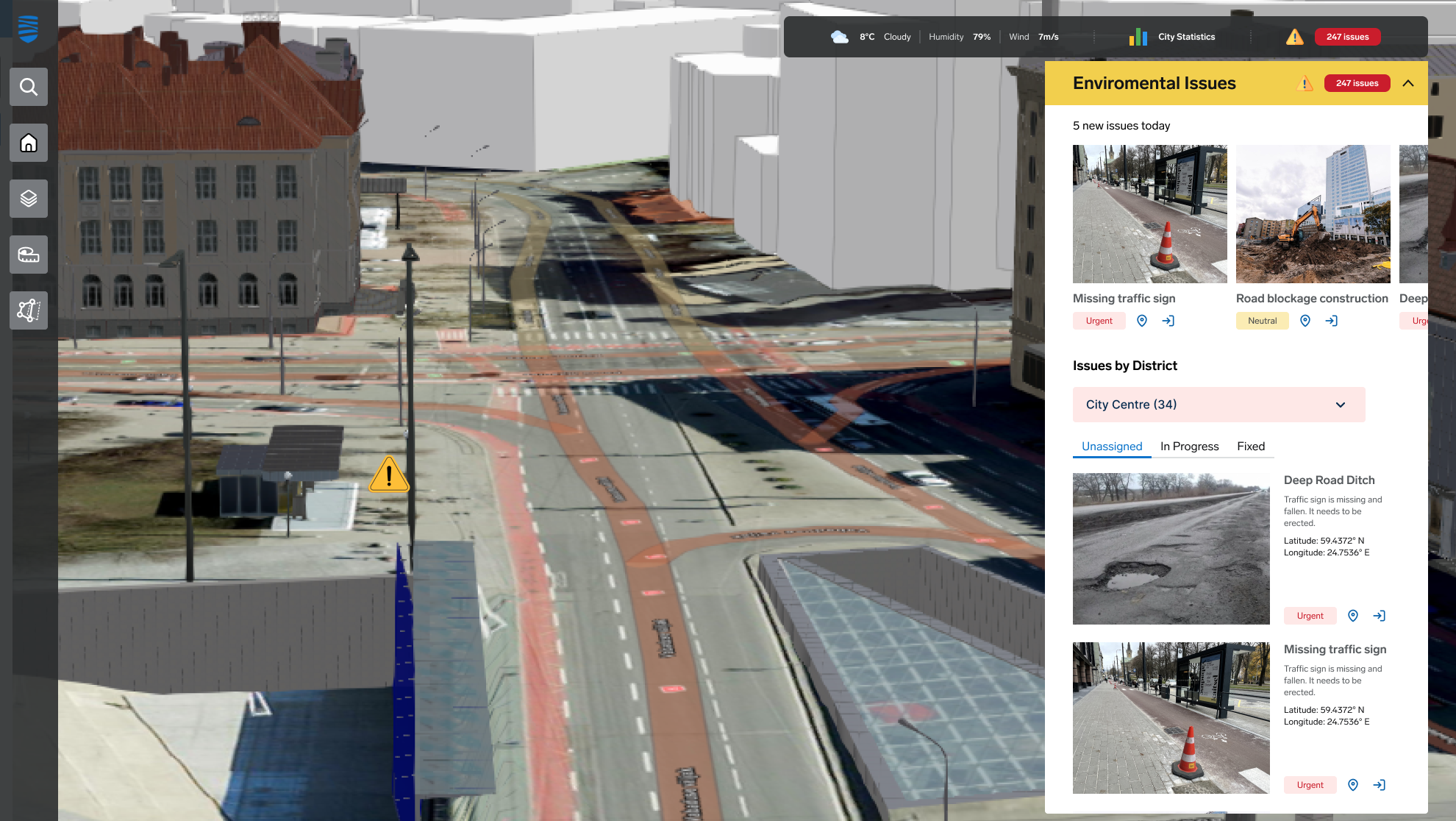
Problem – Validating and updating city data required repetitive manual work.
Solution – The concept simplifies data comparison and supports faster identification and correction of inconsistencies across multiple datasets.
Usability Testing
The proposed concept was evaluated through a co-design session with participants who had previously taken part in the user interviews. The session was conducted between the low-fidelity and high-fidelity design phases to validate the proposed solution, gather user feedback, and identify areas for improvement.
Outcome
User research, stakeholder feedback and iterative design helped create a Digital Twin concept based on the needs and daily work of Tallinn’s municipal employees. Research findings guided the design process and were used to develop the final high-fidelity prototype. The final outcome was a high-fidelity prototype with recommendations for the future development of Tallinn’s Digital Twin.